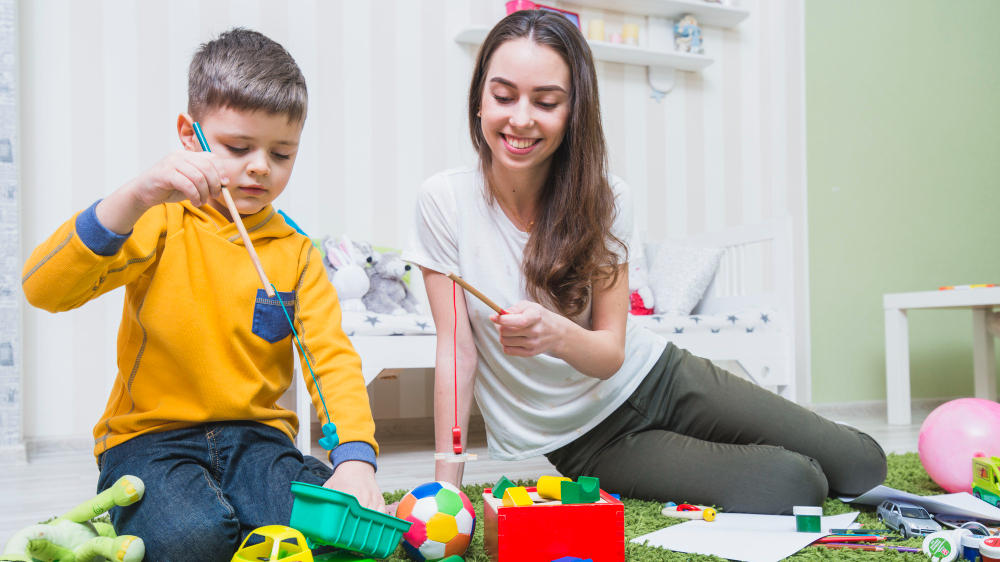
Occupational therapy (OT) plays a vital role in helping children develop essential life skills through play, movement, and sensory experiences. For children with developmental delays, autism, ADHD, or sensory processing challenges, therapeutic toys can make everyday learning both fun and effective.
The right toys support skills such as hand strength, coordination, balance, focus, and self-regulation all of which are core goals of occupational therapy. These toys are not just playthings; they are powerful tools that help children explore their environment, express themselves, and gain independence.
This article explores the best toys that support occupational therapy goals across different domains fine motor, sensory, balance, and visual-motor skills and explains how parents can use them effectively at home or under professional guidance from occupational therapy experts at TNDC.
Understanding Occupational Therapy Goals in Children
Occupational therapy focuses on building a child’s ability to participate in everyday activities such as writing, dressing, feeding, and interacting with peers. Depending on each child’s unique needs, therapy sessions may focus on:
Fine motor skills – Strengthening small hand and finger muscles for writing, cutting, or buttoning.
Sensory processing – Helping children respond appropriately to touch, sound, movement, and visual input.
Gross motor coordination – Enhancing balance, core strength, and movement planning.
Self-regulation – Managing emotions, focus, and behavior in different settings.
Daily living skills – Encouraging independence in self-care tasks like dressing and eating.
If your child needs help in any of these areas, consider learning more about occupational therapy for kids through TNDC’s specialized therapy programs in Delhi NCR, where expert therapists combine play and evidence-based strategies.
Choosing the Right Toys to Support OT Goals
When choosing toys to support therapy goals, parents should focus on items that are:
Engaging – Encourage participation through color, sound, or texture.
Adaptive – Can be modified to suit a child’s developmental level.
Safe and durable – Made from non-toxic materials, age-appropriate, and easy to clean.
Multi-sensory – Offer varied input like touch, sound, and movement.
The goal is to create an enriching play environment that supports therapy both at home and in structured sessions.
Top Toys That Support Occupational Therapy Goals
Below is a breakdown of toys categorized by the skills they support, along with their therapeutic benefits and usage ideas.
1. Fine Motor and Hand Strength Development
Recommended Toys:
Therapy putty
Lacing beads
Pegboards
Clothespin games
Building blocks (LEGO, Mega Bloks)
Why They Help: These toys strengthen small hand muscles and improve coordination between fingers and eyes. Activities like squeezing therapy putty or picking up small beads promote grip endurance, essential for writing and dressing.
Why They Help: Sensory toys provide tactile, proprioceptive, and vestibular input essential for calming the nervous system and improving focus. Weighted items help children feel grounded, while sensory bins enhance exploration and tolerance to different textures.
Many children with sensory processing difficulties benefit from structured sensory play. At TNDC, therapists design customized sensory integration therapy programs to improve body awareness and regulation.
3. Balance, Core Strength, and Gross Motor Skills
Recommended Toys:
Balance boards
Mini trampolines
Scooter boards
Rocker platforms
Obstacle course kits
Why They Help: These toys develop coordination, posture control, and balance. For instance, balancing on a wobble board engages core muscles, while scooter boards build bilateral coordination and endurance.
Including gross motor play at home supports long-term success in early intervention programs, especially for children with delayed motor milestones.
4. Visual-Motor and Eye-Hand Coordination
Recommended Toys:
Magnetic drawing boards
Bead mazes
Target games (ring toss, bean bag toss)
Mazes and tracing boards
Puzzle sets
Why They Help: Visual-motor skills help children track, aim, and coordinate visual input with hand movement. Activities like tracing shapes or tossing rings build accuracy and focus, which are foundational for writing and reading.
You can also connect this skill area to play therapy for children with autism, where play-based interactions strengthen cognitive and coordination skills.
5. Motor Planning and Bilateral Coordination
Recommended Toys:
Obstacle courses
Climbing walls
Jump ropes and hopscotch mats
Musical instruments (drums, tambourines)
Why They Help: Motor planning involves organizing and executing movements in sequence. Toys that encourage both sides of the body to work together improve coordination and brain-body connection.
Using bilateral coordination games during therapy or at home enhances daily activities like dressing or tying shoelaces. Parents can learn more about structured activity design in TNDC’s blog on occupational therapy for kids.
6. Adaptive and Accessible Toys
Recommended Toys:
Switch-adapted toys
Large-button interactive toys
Adjustable grip writing aids
Magnetic dress-up dolls
Why They Help: Adaptive toys support children with physical or sensory limitations, promoting inclusivity and engagement. These toys help build confidence while reinforcing the therapeutic principles of independence and participation.
How to Use These Toys Effectively
1. Combine Play with Daily Activities
Integrate toys into routines such as dressing, feeding, or homework. For example, play dough can strengthen hands before writing practice.
2. Create Sensory Corners at Home
Set up small sensory stations with tactile bins, weighted toys, and balance items for calming playtime.
3. Supervise and Rotate Toys
Switching toys weekly keeps play fresh and encourages skill generalization. Always supervise activities to ensure safety.
4. Consult an Occupational Therapist
Before purchasing specialized toys, consult an occupational therapist at TNDC for personalized recommendations that align with your child’s therapy plan.
Local Options: Where to Find OT Toys in Delhi NCR
Parents in Delhi NCR can find OT-supportive toys at educational supply stores and verified online platforms. Many Indian retailers now offer sensory toys and fine motor kits suitable for home therapy. TNDC therapists can guide parents toward appropriate and affordable options as part of their therapy follow-ups.
Success Story: Building Focus Through Play
A 6-year-old child with ADHD began sessions at TNDC, where the therapist used balance boards, fidget tools, and fine motor toys as part of the intervention plan. Within three months, the child showed improved classroom focus, handwriting control, and frustration tolerance. The combination of structured play and consistent home activities made therapy enjoyable and effective.
Safety Considerations for Parents
Always choose age-appropriate toys.
Avoid small parts for children under three years.
Ensure non-toxic, BPA-free materials.
Limit overstimulation by balancing sensory and quiet play.
If you’re uncertain about the right equipment for your child’s therapy journey, the early intervention therapy team at TNDC can help design a plan that fits your child’s individual needs.
Conclusion
Toys can be powerful tools in occupational therapy not just for fun but for building essential developmental skills. When chosen wisely, they help children strengthen their muscles, regulate emotions, enhance coordination, and gain independence.
Parents and therapists at TNDC can work together to adapt these toys at home, school, or therapy settings, ensuring consistent progress. Regular engagement through play enables children to build confidence, focus, and social-emotional balance one joyful activity at a time.
If you’re considering structured guidance for your child, TNDC offers personalized therapy programs that combine sensory play, motor development, and emotional support to help every child thrive.
FAQs
1. What type of toy is best for fine motor skill development? Toys like therapy putty, pegboards, and lacing beads are excellent for strengthening fine motor control and improving coordination.
2. How do sensory toys help children with ADHD or autism? Sensory toys help regulate overstimulation, improve focus, and build tolerance for different textures and sensations.
3. Can regular toys be used for therapy? Yes. Many household toys like building blocks or puzzles can be adapted for therapeutic use under guidance from a trained occupational therapist.
4. Where can I get occupational therapy toys in Delhi? OT-supportive toys are available online and through therapy centers like TNDC, which also recommends age-appropriate tools during sessions.
5. How often should my child play with therapy toys? Short, daily play sessions of 15–30 minutes integrated with daily routines are most effective for reinforcing occupational therapy goals.